Car parts3 min read
Can You Use 3D Printed Engine Bay Parts? Ask First
Some engine bay spots suit a printed part, others need metal. An honest guide to 3D printed engine bay parts from our Melbourne studio, and how we decide.
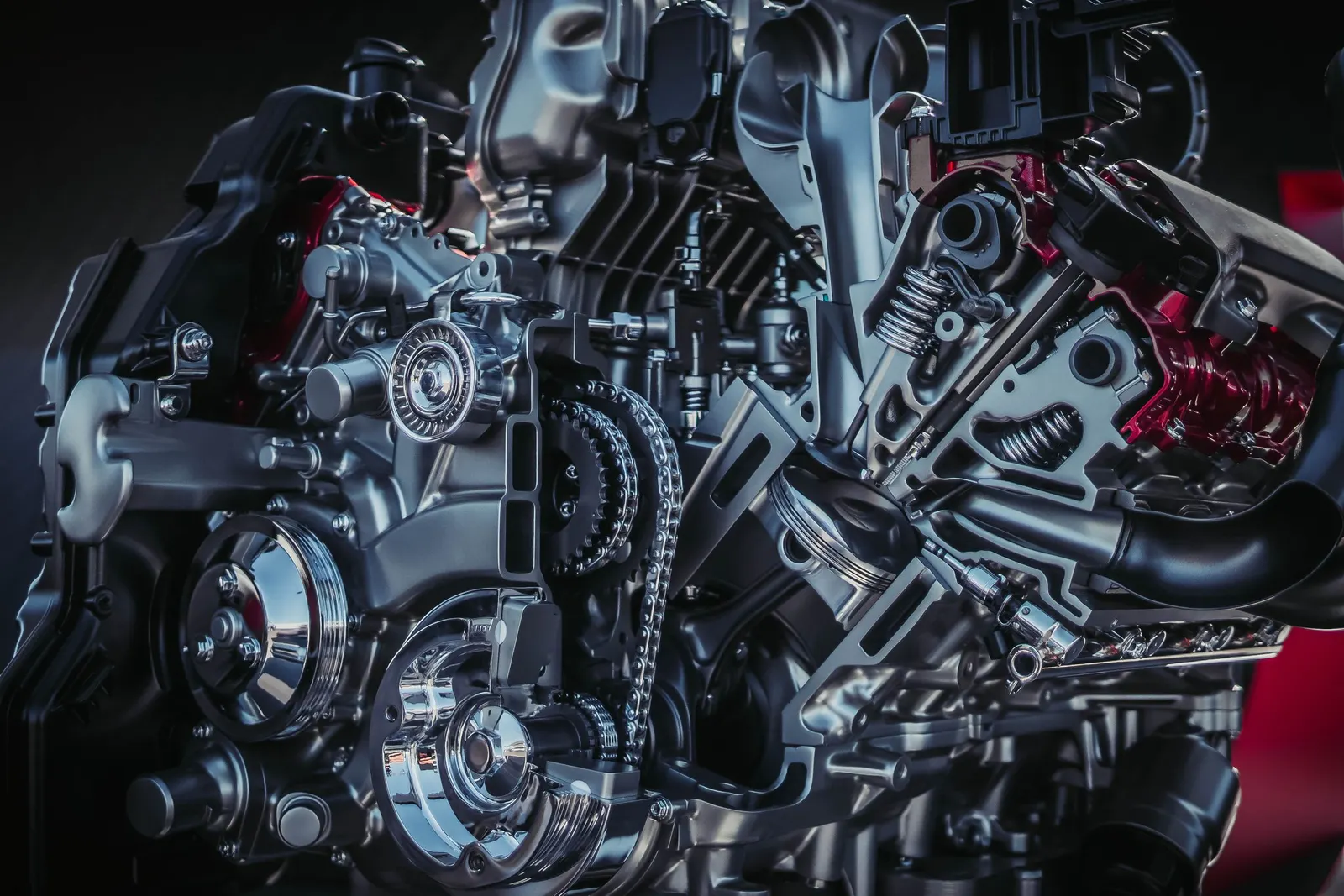
We get asked about 3D printed engine bay parts more than almost anything else in the car, and our answer is always the same: ask first. Under the bonnet is a different world from the cabin. Some spots sit only a little warmer than a parked car on a summer day. Others, near the exhaust or a turbo, get far too hot for any plastic we print. The part might be identical, but where it lives decides whether printing is a good idea.
What makes the engine bay hard on plastic
- Heat: from the engine itself, the radiator, and much more near exhaust manifolds and turbos
- Heat cycles: hot on every drive, cold overnight, thousands of times a year
- Vibration: constant, and stronger on parts mounted to the engine rather than the body
- Fluids: oil, coolant, fuel, brake fluid and degreaser, which attack some plastics
- Load: brackets that hold heavier parts can creep when warm
Plastic doesn't need to melt to fail. As it approaches its softening point, any steady load makes it slowly bend and stay bent. That's the same effect we describe for dashboards in what happens to 3D printed car parts in a hot car, just with more heat.
Where 3D printed engine bay parts can work
| Location | Printing? | Notes |
|---|---|---|
| Battery covers, fuse box lids, washer bottle caps | Often yes | Away from the engine; ABS or ASA |
| Cable clips and loom guides on the body | Often yes | Body-mounted, cooler, light load |
| Trim covers on the inner guards and cowl | Often yes | Check how close they sit to the engine |
| Sensor or hose brackets on the engine | Ask us | Heat and vibration; may need nylon or metal |
| Anything near the exhaust, turbo or manifold | No | Too hot for printed plastics; use metal |
| Fuel system parts | No | Fuel exposure and safety; use rated parts |
Materials for under the bonnet
PLA and PETG are out for anything in the engine bay. ABS and ASA handle more heat and suit cooler body-side spots. For warmer spots, engineering plastics like nylon or carbon-fibre filled blends can sometimes work; those aren't our defaults, so ask us and we'll talk it through. For the hottest areas, the honest answer is metal, and we'll tell you so.
Quick question
Where is your engine bay part?
How we decide
- 1See where it livesA wide photo of the engine bay with the part marked, and a close-up. Distance from the exhaust side matters most.
- 2Ask what it doesDoes it hold something up, keep something out, or just cover something? Load changes everything when it's hot.
- 3Pick the material, or say noIf a printed part makes sense, we choose the plastic for that spot. If it doesn't, we say so before you spend anything.
Photos to send for an engine bay part
0/5See car parts for what we commonly make, and materials for the full comparison of plastics.
Questions people ask
Can you 3D print an engine cover?
Sometimes. Large decorative covers sit directly over hot parts, so it depends on the engine. Send photos and we'll check.
What's the most heat-resistant plastic you print?
Of our standard plastics, ABS and ASA handle the most heat. Higher-temperature engineering plastics are an ask-us job, and some spots simply need metal.
Will a printed part survive oil and coolant?
It depends on the plastic and the fluid. Tell us what it'll be exposed to and we'll pick accordingly, or say if printing isn't the right call.